


Yonezawa Yamagata Travel Guide:Samurai, Hot Springs and Snow
1. Welcome to Yonezawa, Yamagata

Yonezawa is a compact castle town in southern Yamagata Prefecture, about two hours from Tokyo by Yamagata Shinkansen.
Historically ruled by the Uesugi clan, the city combines samurai heritage, atmospheric hot-spring villages, and deep winter snows. Today, it is known for:
- Samurai history centered on Uesugi Shrine and the former castle grounds
- Onsen culture, with eight hot-spring areas collectively called the “Yonezawa Eight Onsen”
- Yonezawa beef, considered one of Japan’s top wagyu brands
- Snow country scenery, including winter festivals and nearby ski slopes
This guide introduces the city’s main attractions, seasons, and practical tips to help you plan your trip.
2. Samurai Heritage in Yonezawa, Yamagata

Uesugi Shrine and Matsugasaki Park in Yonezawa, Yamagata
Uesugi Shrine stands where the inner citadel of Yonezawa Castle once rose, enshrining warlord Uesugi Kenshin—one of the most renowned samurai leaders of Japan’s Warring States period.
Today, the former castle grounds form Matsugasaki Park, a spacious area with:
- Moats, bridges and tree-lined paths
- The main shrine buildings and auxiliary Matsugasaki Shrine
- Seasonal scenery: cherry blossoms in spring, fresh green in summer, vivid foliage in autumn, and deep snow in winter
From the approach lined with stone lanterns to the calm shrine precincts, this area is the spiritual and historical heart of Yonezawa.
Uesugi Shrine Keishōden (Treasure Hall)
On the same grounds, Keishōden displays more than 300 items related to the Uesugi clan, including suits of armor, swords and battle standards. The helmet and armor associated with retainer Naoe Kanetsugu, featuring the famous “love” (愛) crest, are especially popular with visitors.
Walking the Castle Town of Yonezawa, Yamagata
The wider city still retains the feeling of a castle town:
- Streets laid out along the former domain’s grid
- Historic residences and temples connected to the Uesugi family
- Breweries and local craft shops where you can sample sake and browse regional products
A half-day walk around Matsugasaki Park and the surrounding neighborhoods gives a good first impression of Yonezawa’s samurai heritage and everyday life.
3. Yonezawa Yamagata Hot Springs: The Eight Onsen Areas
Yonezawa is sometimes called an “onsen city” thanks to its eight hot-spring areas, each with its own character and scenery.
Onogawa Onsen: Classic Hot Spring Village in Yamagata

Located about 25–30 minutes from Yonezawa Station by bus or car, Onogawa Onsen is a compact hot-spring village with over 1,000 years of history.
Its spring water is known as a “hot spring of beauty” for its moisturizing effect on the skin. Traditional ryokan, small shops and communal baths line narrow streets, creating an intimate, nostalgic atmosphere.
In winter, Onogawa hosts the Kamakura Village, where igloo-like snow huts are illuminated at night and visitors can order Yonezawa-style ramen served inside the snow domes.
Shirabu Onsen – Mountain Village in the Snow

Up in the mountains near Tengendai Kogen lies Shirabu Onsen, a historic hot-spring village with more than 700 years of history.
- The name “Shirabu” is linked to the snowy landscape; winter snowfall can reach over two meters.
- Several traditional inns offer indoor and outdoor baths with views of forested slopes.
Because Shirabu serves as a base for hiking and skiing at Tengendai Kogen and Mt. Nishi-Azuma, it’s ideal for travelers who want to combine outdoor activities with onsen relaxation.
Other Hot Springs Around Yonezawa

In addition to Onogawa and Shirabu, the “Yonezawa Eight Onsen” include secluded spots such as Ubayu Onsen and Shintakayu Onsen, some of which are hidden deep in the mountains. These rustic hot springs appeal to travelers who enjoy remote locations and strong, characterful waters.
4. Four Seasons in Yonezawa, Yamagata
Spring – Cherry Blossoms and Uesugi Festival

In spring, the moats and paths of Matsugasaki Park become one of Yonezawa’s best cherry blossom viewing spots. The combination of water, stone bridges and rows of cherry trees creates a classic Japanese castle-town scene.
Around late April to early May, the city hosts the Uesugi Festival, featuring:
- A samurai parade with armor-clad warriors and traditional music
- A dramatic reenactment of the Battle of Kawanakajima between Uesugi Kenshin and Takeda Shingen
This festival brings samurai history to life in the actual domain where the Uesugi family once ruled.
Summer – Highlands, Rivers and Cool Evenings

Summer in Yonezawa is warm, but the surrounding mountains and rivers offer cool escapes:
- Hiking and trekking around Tengendai Kogen and Mt. Nishi-Azuma
- River activities and green landscapes in the surrounding Okitama region
Evenings in the city are often cooler than major urban centers, and local festivals, fireworks and summer foods (such as cold noodles and light seasonal dishes) make this a pleasant season for visitors.
Autumn – Fall Colors and Harvest Flavors
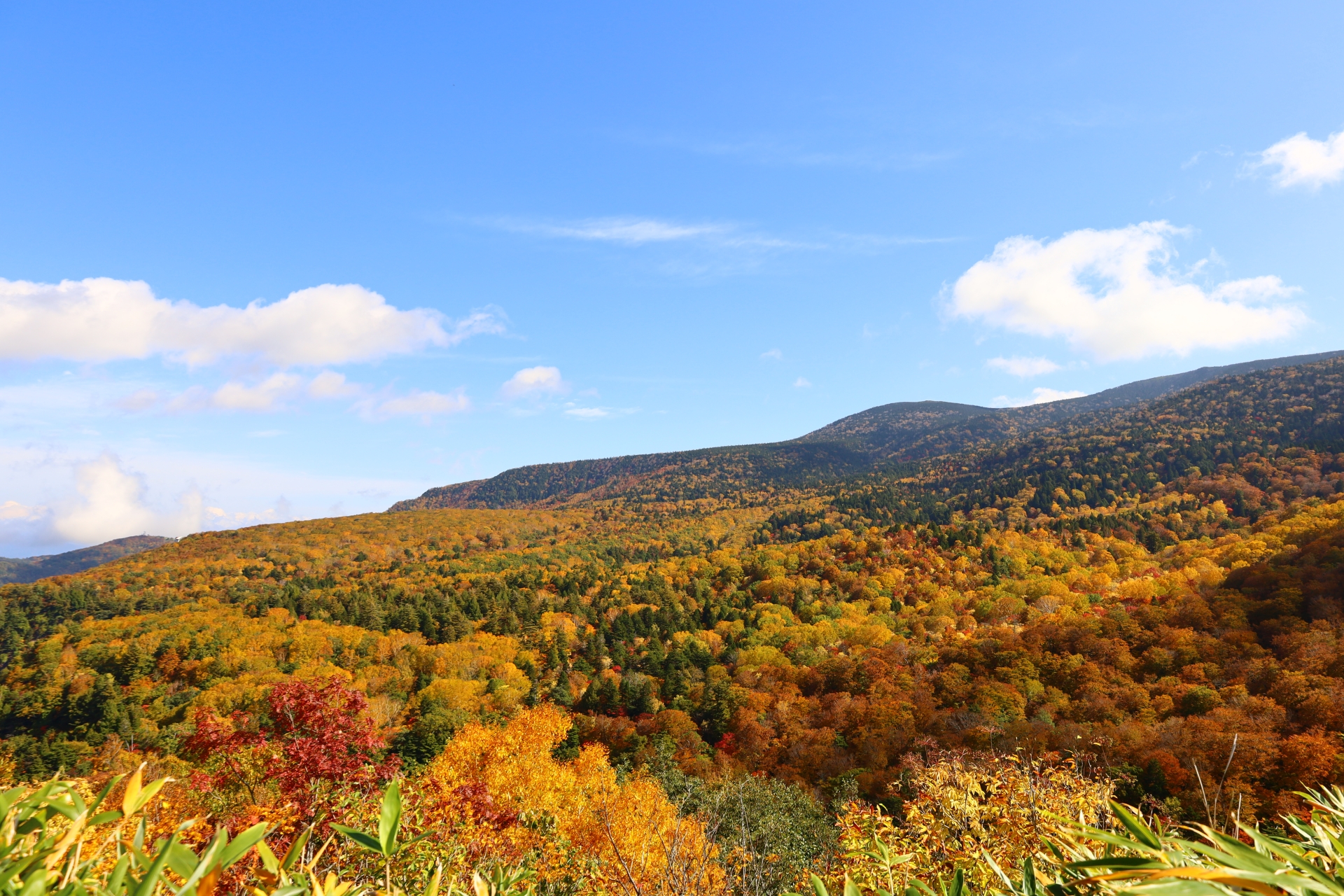
Autumn brings striking foliage to the mountains and onsen villages:
- The hills around Shirabu and the highlands near Tengendai turn vivid red and gold
- Oak and maple trees in Matsugasaki Park and along riverside walks provide colorful city scenery
At the same time, Yonezawa’s food culture reaches a peak with new rice, mushrooms and other seasonal ingredients. Hotpot dishes such as imoni (taro and meat stew) appear on menus, paired with local sake.
Winter – Snow Lanterns and Powder Snow

Yonezawa is part of Japan’s snow country, with significant snowfall from late December through March.
Winter highlights include:
- Uesugi Snow Lantern Festival, when massive snow lanterns line the paths of Matsugasaki Park and Uesugi Shrine, lit from within by candles
- Kamakura Village at Onogawa Onsen, with igloo-like snow huts and warm ramen served inside
- Tengendai Kogen Ski Resort, known for reliable natural snow and a long season, accessible from Yonezawa via Shirabu Onsen
After time in the snow, nothing is better than returning to a steaming outdoor bath and a warm meal at an onsen inn.
5. Yonezawa’s Food Culture
Yonezawa Beef
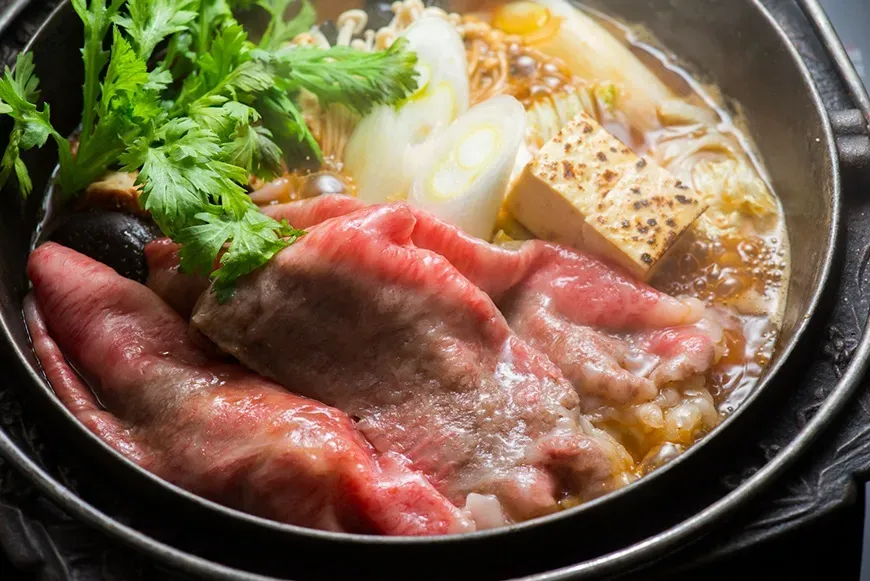
Yonezawa beef is one of Japan’s most famous wagyu brands, praised for its fine marbling and delicate sweetness.
Popular ways to enjoy it include:
- Sukiyaki in a shallow iron pot
- Shabu-shabu with thin slices swished through hot broth
- Steak or yakiniku for those who want to taste the pure flavor of the meat
Many restaurants in the city center and onsen areas specialize in Yonezawa beef, offering set menus tailored to different budgets.
Local Ramen and Comfort Dishes

Yonezawa ramen is another beloved specialty: a light soy-based broth with thin, curly noodles and simple toppings. It is especially popular on cold days, and at Onogawa’s Kamakura Village you can even enjoy it inside a snow hut.
Other regional dishes include:
- Hotpot dishes like imoni (taro stew) in autumn
- Seasonal mountain vegetables and mushrooms
- Local side dishes served at ryokan dinners
Sake and Local Drinks

Yonezawa and surrounding areas host several sake breweries, benefiting from high-quality rice and clear water. Visitors can tour breweries, sample different varieties and purchase bottles to take home.
Some of you may already know TOKO (東光), a sake from Yonezawa that won the Junmai Daiginjo Trophy at the International Wine Challenge (IWC) 2024.
6. Access and Getting Around

From Tokyo and Major Cities
- By train: The Yamagata Shinkansen connects Tokyo Station to JR Yonezawa Station in just over two hours, with no transfers required.
- By car: Expressways from the Kanto and Tohoku regions lead to interchanges near Yonezawa, making it accessible for self-drive trips.
Local Transport
From Yonezawa Station, buses and taxis connect you to major attractions:
- Uesugi Shrine and Matsugasaki Park (about 10–15 minutes)
- Onogawa Onsen (about 25–30 minutes by bus)
- Shirabu Onsen and Tengendai Kogen (around 50 minutes by bus)
Many ryokan offer shuttle services—check details when you book.
7. Practical Tips for First-Time Visitors
Season choice:
- Spring for cherry blossoms and the Uesugi Festival
- Summer for hiking and cool mountain air
- Autumn for foliage and harvest cuisine
- Winter for snow festivals, hot springs and skiing
Clothing:
- In winter, bring warm layers, gloves, and non-slip boots suitable for snowy sidewalks.
- In other seasons, layering is still useful due to temperature differences between day and night, and between city and mountains.
Onsen etiquette:
- Wash thoroughly before entering the bath.
- Do not bring towels into the water.
- Tattoos may be restricted at some facilities—check in advance if concerned.
Language and information:
- Yonezawa’s official tourism sites and some hot-spring associations provide information in English, and many accommodations are accustomed to hosting overseas guests.
8. Why Choose Yonezawa?

For international travelers, Yonezawa offers a rare balance:
- Deep samurai history and authentic castle-town culture
- Multiple hot-spring villages within easy reach
- A full four-season experience, from cherry blossoms to deep snow
- High-quality food and sake, including the famous Yonezawa beef
Combined with straightforward access from Tokyo and a calm, local atmosphere, Yonezawa is an ideal destination for visitors who want to move beyond Japan’s largest cities and experience a true regional town—at their own pace, in every season.